


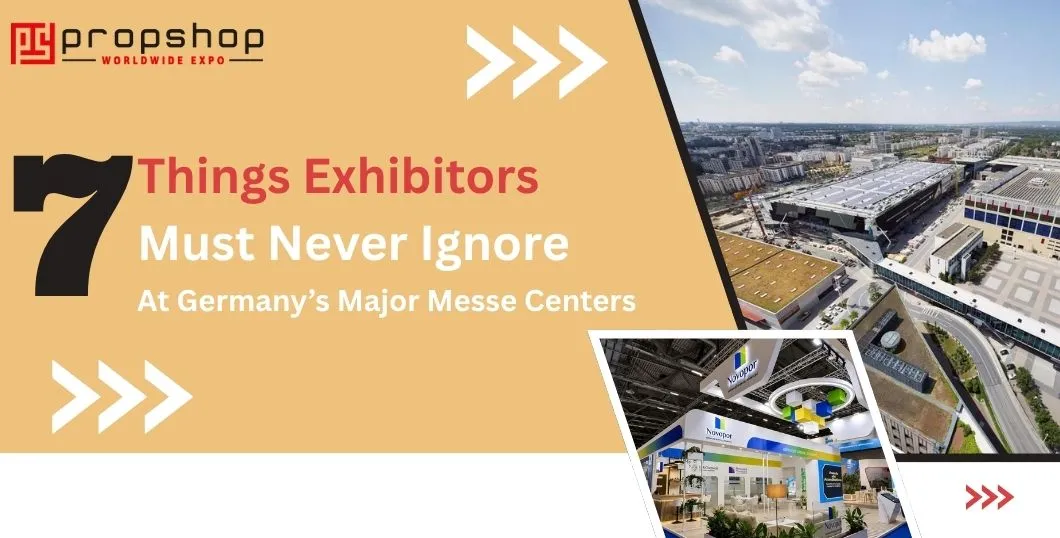
Germany is home to some of Europe’s most influential exhibition venues, attracting exhibitors and professional visitors from industries including automotive, technology, healthcare, manufacturing, energy, and consumer goods. Major exhibition venues such as Messe Frankfurt, Messe Düsseldorf, Messe Berlin, and Koelnmesse host international trade fairs that help businesses present their products, build industry connections, and explore new markets. For exhibitors, understanding the venue, event requirements, and target audience is essential for making the most of these opportunities.
When preparing for these events, exhibitors should also consider how their stand can support their brand and enhance the visitor experience. Custom exhibition stands in Germany can be planned around the available exhibition space, brand identity, product presentation, and specific requirements of the chosen Messe center. Along with stand planning, exhibitors should pay attention to several other important factors that can influence their overall experience and performance at the event.
1: Understand the Venue and Its Exhibition Rules
Each major Messe Center in Germany has its own guidelines covering stand construction, technical services, safety, installation, dismantling, and on-site operations. Understanding these requirements before the event helps exhibitors plan effectively, avoid delays, control additional costs, and meet venue compliance standards.
Key points to consider:
- Stand regulations: Check permitted stand heights, dimensions, structural specifications, and layout requirements.
- Technical guidelines: Review requirements for lighting, electrical connections, suspended structures, and other technical installations.
- Safety requirements: Follow fire safety, emergency access, material, and structural safety regulations.
- Installation and dismantling: Confirm approved working hours, access procedures, and deadlines for setup and removal.
- Venue services: Check available services such as electricity, internet, water connections, cleaning, and waste disposal.
- Exhibitor deadlines: Submit stand plans, technical documents, service orders, and approval documents within the specified timelines.
- On-site access: Understand vehicle access, loading areas, storage facilities, and exhibitor entry procedures.
Reviewing the venue’s official exhibitor guidelines well in advance allows businesses to coordinate their stand design, construction, and logistics according to the Messe Center’s requirements. Working with an experienced Exhibition Stand Builder in Germany can also help exhibitors understand venue procedures and coordinate essential preparations before the event.
Plan your next exhibition with an experienced exhibition stand builder in Germany
2: Design Your Stand Around Your Exhibition Objectives
An exhibition booth should reflect the purpose of participating in the event and provide visitors with a clear understanding of the company’s products or services. Before planning the exhibition booth design, exhibitors should identify their main objectives, such as presenting products, generating leads, holding business meetings, increasing brand awareness, or introducing a new offering. These objectives can influence the booth layout, product placement, graphics, meeting areas, and visitor pathways.
Key points to consider:
- Identify your exhibition objective: Determine what you want to achieve at the event and use this objective to guide decisions about the booth layout, displays, and visitor areas.
- Consider the available space: Plan the booth according to its size, location, shape, and surrounding exhibits. The layout should provide sufficient space for visitors to move around comfortably.
- Prioritize important information: Place key products, services, messages, or demonstrations in visible areas so visitors can understand the main offering without unnecessary visual clutter.
- Create suitable interaction areas: If meetings, demonstrations, or product discussions are part of your exhibition plan, allocate appropriate areas without restricting general visitor movement.
- Maintain clear brand communication: Use consistent logos, colors, graphics, and messaging to help visitors recognize the company and understand its offering.
A well-planned booth connects the exhibition space with specific business objectives while providing visitors with an organized and informative experience.
3: Plan Logistics and International Shipping Carefully
Exhibition logistics involve more than transporting materials to the event location. International exhibitors need to consider shipping schedules, customs procedures, venue access, and the safe handling of stand components. Planning these details early can help prevent delays and ensure that materials arrive on time.
- Confirm shipping requirements: Review customs procedures, required documentation, import regulations, and delivery requirements before shipping materials.
- Set realistic timelines: Allow sufficient time for production, transportation, customs clearance, and delivery to the Messe Center.
- Coordinate with the venue: Check loading schedules, access times, storage facilities, and delivery instructions provided by the organizer.
- Protect exhibition materials: Use suitable packaging and clear labeling to minimize the risk of damage during transportation.
- Coordinate stand components: Ensure all elements required for the exhibition stand design and build arrive according to the planned installation schedule.
- Plan return shipping: Arrange dismantling, storage, or return transportation before the exhibition concludes.
Careful logistics planning helps exhibitors maintain an organized setup process and reduces the risk of last-minute transportation or delivery issues during the event.
4: Design for International Visitors and Clear Communication
Germany’s major trade fairs attract visitors from diverse countries and professional backgrounds. Clear communication helps international visitors understand your products, services, and key messages.
- Use simple messaging: Keep text clear, concise, and easy to understand.
- Offer multilingual information: Provide brochures, signage, or digital content in relevant languages.
- Use visual communication: Include clear graphics, symbols, and product displays to support understanding.
- Prepare your team: Ensure staff can communicate effectively with international visitors.
- Consider cultural differences: Adapt communication styles to suit a diverse business audience.
An experienced exhibition stand design company can incorporate clear and accessible communication into the overall stand layout.
5: Prioritize Visitor Experience and Team Readiness
A positive visitor experience depends on both an accessible stand layout and a well-prepared team. Clear pathways, organized product displays, and suitable areas for discussions and meetings can make it easier for visitors to explore the stand and interact with exhibitors. Staff should understand the products, services, event objectives, and target audience so they can provide relevant information and respond to questions effectively. Professional and approachable communication also helps create meaningful interactions and supports effective lead management during the exhibition.
6: Prepare for Technical Requirements and On-Site Challenges
Technical planning is an important part of preparing for an exhibition, particularly when the stand includes lighting, electrical equipment, suspended elements, digital screens, or product demonstrations. Exhibitors should review the venue’s technical guidelines and confirm all requirements well before the event.
Key points to consider:
- Electrical requirements: Confirm power capacity, connections, and equipment specifications.
- Technical approvals: Submit the required drawings and documents within the venue’s specified deadlines.
- On-site access: Check installation hours, loading areas, and access procedures.
- Digital equipment: Test screens, displays, internet connections, and presentation systems before the event.
- Contingency planning: Prepare alternatives for potential technical problems or installation delays.
Addressing technical requirements in advance can help exhibitors reduce on-site complications and ensure a smoother exhibition setup and operating process.
7: Plan Your Lead Follow-Up Before the Exhibition
Lead follow-up should be planned before the exhibition begins rather than after the event ends. Exhibitors should establish a clear process for recording visitor details, identifying areas of interest, and organizing contacts based on their potential value. Assigning follow-up responsibilities to team members and setting appropriate timelines can help ensure that important contacts are not overlooked. Preparing relevant emails, meeting requests, or product information in advance can also make post-exhibition communication more efficient and consistent.
Conclusion
Successful participation in a trade fair depends on preparation across several areas, including venue regulations, stand planning, logistics, visitor communication, technical requirements, and lead follow-up. Addressing these elements early allows exhibitors to manage their time effectively, reduce last-minute challenges, and create a more organized experience for visitors and staff.
Propshop Worldwide approaches exhibition planning with attention to these practical requirements, highlighting the importance of coordinating stand design, venue procedures, logistics, and on-site execution. A structured preparation process can provide a strong foundation for participating effectively at Germany’s major Messe centers.


