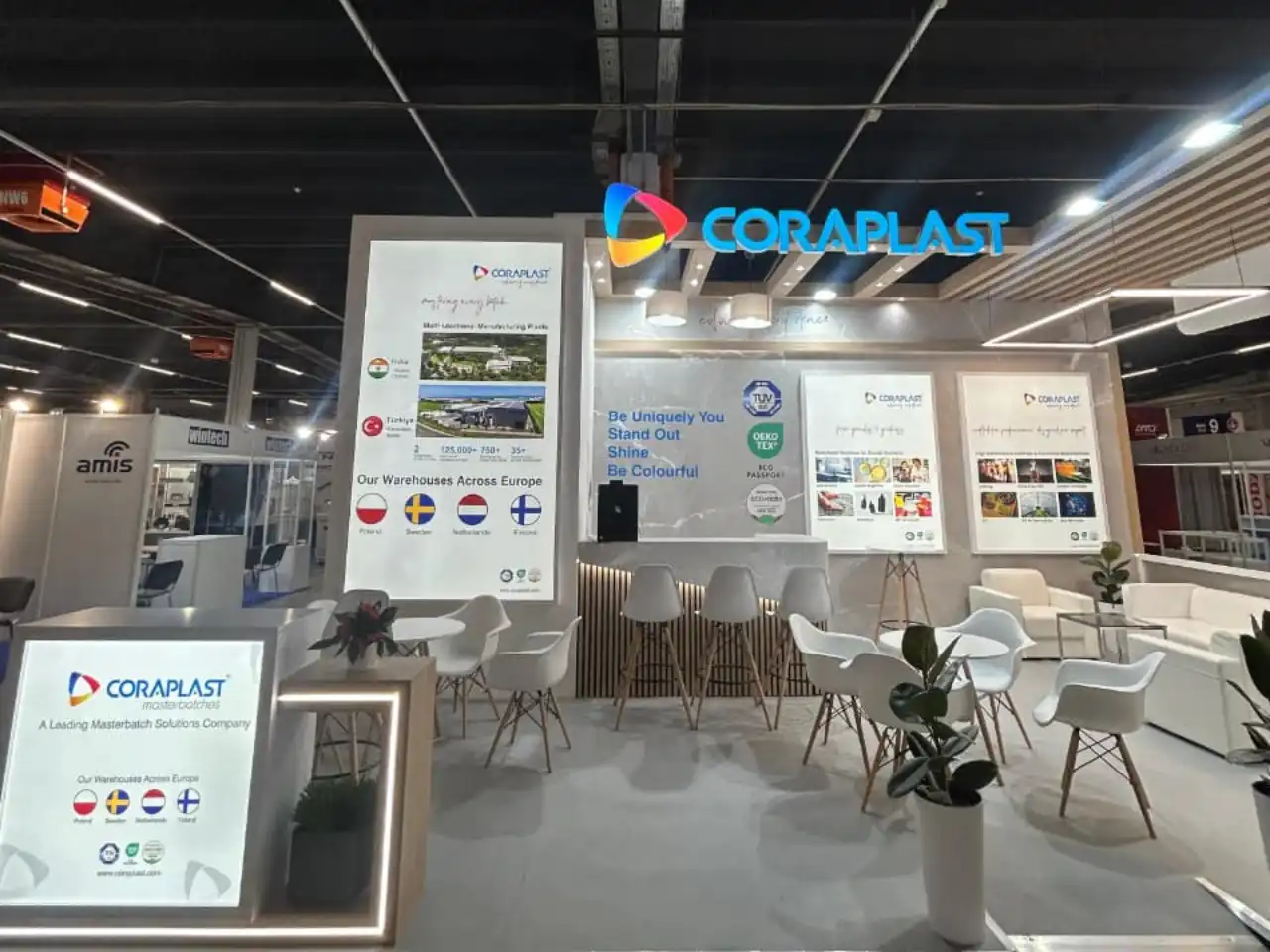
Trade shows across Europe are evolving into showcases of environmental accountability through sustainable exhibition stand design, powered by modular builds, recycled materials, and energy-saving tech that slash waste and emissions. With regulations like the Ecodesign for Sustainable Products Regulation (ESPR) enforcing circular practices in booth construction, European companies are leaning in hard. Spots like Messe Frankfurt and RAI Amsterdam make eco-friendly booth design a must, not just for compliance, but to pull in visitors who care about green creds.
Sustainable Booths in Europe
Europe's at the forefront of global sustainability, thanks to pushes like the EU Green Deal that steer exhibitions toward zero-waste events and renewable materials. Trade show booth design has shifted to full lifecycle checks, from sourcing materials to breaking it all down, cutting long-term costs by up to 30% through reusability. Key venues are leading the charge: Fira Barcelona pushes recyclable carpets and eco-design help, while ExCeL London hits zero waste-to-landfill with 71% recycling.
Brands jumping on sustainable exhibition stand Builder snag real advantages, since 80% of EU consumers back eco-friendly companies. Looking to 2025, expect modular and biodegradable features to rule booth builds at big shows in Düsseldorf and Madrid.
Current European Trends in Eco-Friendly Booth Design
Modular and Reusable Structures
Modular sustainable booth design allows stands to adapt across events, slashing waste by 50% compared to single-use builds. Venues like RAI Amsterdam back the "Better Stands" initiative, favoring circular systems that cut CO₂ emissions and logistics demands. Propshop leverages these for clients at Messe Düsseldorf, enabling quick reconfiguration without new fabrication.
Renewable Materials in Practice
FSC-certified wood, recycled aluminum, and biodegradable fabrics form the backbone of modern trade show booth design. Energy-efficient LEDs and solar integrations further lower footprints, as seen in Messe Frankfurt's renewable-powered halls. These choices meet ESPR requirements for verifiable sustainability claims.
European Regulations Driving Change
The ESPR reshapes sustainable exhibition stand design by requiring documentation of material recyclability and end-of-life plans. EU venues like IFEMA Madrid and ExCeL London enforce carbon-neutral goals, with Fira Barcelona offering footprint calculators for stands. Non-compliance risks fines, but compliant designs qualify for incentives, boosting ROI for eco-friendly booth design.
CAP reforms tie subsidies to biodiversity measures, indirectly pressuring exhibitors toward green practices. By 2030, RAI Amsterdam targets 100% circular construction, setting a benchmark for peers.
Real-World Examples from Top Venues
Messe Frankfurt and RAI Amsterdam
At Messe Frankfurt, booths incorporate solar-powered features and biodegradable composites, aligning with the venue's wind and solar energy reliance. RAI Amsterdam's partnership with Better Stands delivered reusable setups for recent expos, reducing build times by 20%.
Fira Barcelona and ExCeL London
Fira Barcelona's sustainable stand service uses energy-efficient builds and 100% recyclable carpets, minimizing trade fair impacts. ExCeL London exhibitors at Recycling Expo praised plant-forward catering and renewable energy, paired with modular frames from partners.
Messe Düsseldorf and IFEMA Madrid
Messe Düsseldorf showcases reclaimed wood booths, while IFEMA Madrid emphasizes low-impact eco-designs for international events. These examples prove sustainable booth design thrives in high-traffic settings.
Actionable Steps for Implementing Sustainable Exhibition Stand Design
Start with a lifecycle assessment to pinpoint high-impact areas like flooring and lighting.
Select FSC-certified timber and recycled metals for structures; avoid virgin plastics.
Opt for modular frames that disassemble easily for reuse across shows like those at ExCeL London.
Integrate LEDs and digital signage to cut energy use by 70%; test solar options for outdoor elements.
Partner with certified fabricators for ESPR-compliant documentation.
Plan disassembly: rent furniture and recycle 90% of materials post-event.
Budget 10-15% more upfront for green materials, recouped via reusability over three events. Track metrics like CO₂ savings to showcase in marketing.
Innovative Materials and Technologies
Biodegradable textiles replace vinyl banners, while lightweight composites ease transport to venues like Fira Barcelona. AR integrations via tablets reduce printed collateral, supporting paperless eco-friendly booth design. Wind turbine blades repurposed as displays, as in Iberdrola's stand, highlight creative reusability.
Benefits Beyond Compliance
Sustainable exhibition stand design cuts costs, reusable booths save 25% on future builds, and enhances brand appeal amid EU buyer demands for recycled content. Attendees engage 40% longer with green displays, driving leads at packed halls like Messe Frankfurt.
Overcoming Common Challenges
Sourcing verified materials delays projects; solution: pre-qualify EU suppliers early. Higher initial freight for bulky recyclables? Choose lightweight modularity. Train teams on green assembly to match traditional speeds.
Future Outlook
70% of European booths will feature full circularity, per industry forecasts. Venues like RAI aim for zero-emission events, pressuring innovators in sustainable booth design. Brands ignoring this risk market exclusion under tightening Green Deal rules.
Ready to elevate your presence at Messe Frankfurt, RAI Amsterdam, or beyond? Explore custom sustainable exhibition stand design and fabrication tailored for Europe's premier events, connect with Propshop specialists today.